
How a Furnace Works: A Homeowner’s Guide to Electric, Gas, and Oil Furnaces
A furnace works by creating heat, warming air, and moving that heated air through your home using ductwork and a blower fan. When your thermostat calls for heat, the system turns on, produces heat using electricity, natural gas, or oil, and circulates warm air until the set temperature is reached. Electric furnaces use heating elements, gas furnaces burn fuel in burners, and oil furnaces rely on heating oil to generate warmth.
In this guide, learn how a furnace works step by step, how electric, gas, and oil furnaces differ, and what each system needs to heat your home safely and reliably.
If you have questions about your furnace or need service, contact Western Heating, Air & Plumbing in Sandy, Utah, at 385-233-9556.
How a Furnace Works Step by Step
When you turn on the furnace, the thermostat calls for heat, the system creates warmth, and a blower moves heated air through your ducts until your home reaches the set temperature.
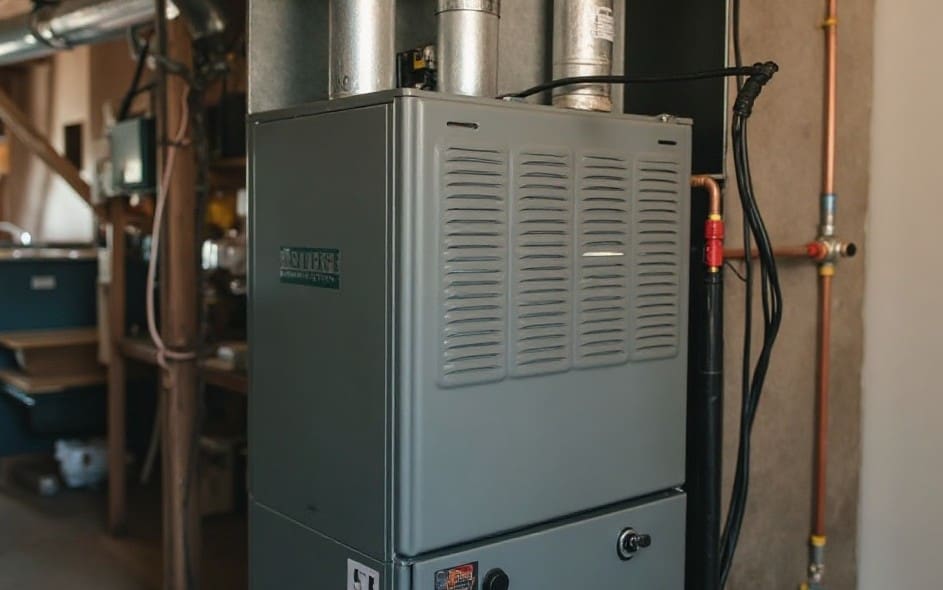
Here’s what happens in order:
1. You Adjust the Thermostat
When you set the thermostat, it compares indoor conditions to the selected setting. If the home is cooler than desired, the signal tells the heating system to begin a new cycle.
2. The Igniter Starts the Heating Process
After the signal is received, the unit prepares for operation. In gas furnaces and oil systems, the igniter activates ignition so fuel can begin burning safely while internal checks confirm proper airflow and operation.
3. The Furnace Generates Heat
Once the system is active, the furnace produces heat using its energy source. Electric furnaces heat metal elements, gas furnaces use burners to maintain a controlled flame, and oil furnaces burn heating oil to create sustained heat.
4. Air Is Pulled Inside the Heater
Cool indoor air is drawn through return air ducts and passes through internal components. As airflow moves through the unit, it absorbs energy and begins to warm.
5. The Blower Pushes Warm Air Through the Ductwork
The furnace blower moves conditioned air through the ductwork. This airflow evenly distributes comfort throughout each room.
6. The Thermostat Monitors the Temperature
As warm air circulates, the thermostat keeps checking the indoor temperature to see how close it is to your set point.
7. The Furnace Shuts Off at the Set Temperature
When your home reaches the desired temperature, the thermostat tells the furnace to stop heating. The blower may continue running briefly to distribute any remaining warm air before fully shutting off.
8. The Cycle Repeats as Needed
As temperatures drop again, the thermostat signals the furnace, and the heating cycle starts over to keep your home comfortable.
Related Read: Home Heating Systems Guide for Sandy UT
How Does an Electric Furnace Work
An electric furnace uses electricity to create heat and distribute warm air throughout your home without burning fuel.
Here’s how the process works:
1. The Thermostat Calls for Heat
When indoor temperatures fall below your thermostat setting, the thermostat signals the electric furnace to turn on. This starts the heating cycle and tells the system to begin producing warmth.
2. Heating Elements Warm Up
Electrical current flows through metal heating elements inside the heating unit. These elements heat up quickly and serve as the system’s main heat source.
3. Air Is Pulled In and Heated
Cool air from your home is drawn into the furnace through the return ducts and passes over the heating elements. As the air moves across the elements, it warms up before moving into the ductwork.
4. The Blower Distributes Warm Air
Once heated, the blower fan pushes warm air through the ductwork and out of the supply vents into each room. Steady airflow helps reduce cold spots and keeps comfort more consistent.
5. The System Shuts Off at the Set Temperature
When the thermostat senses that the desired temperature has been reached, the heater shuts off until heat is needed again. The blower may run briefly to clear remaining warm air from the system before the next cycle.
How a Gas Furnace Works
A gas furnace uses natural gas or propane to generate heat, quickly and efficiently warming your home.
The heating process follows these steps:
1. The Thermostat Signals the Furnace
When indoor conditions fall below the selected setting, a signal is sent to begin furnace work. This signal starts the operating cycle and prepares the system for fuel delivery.
2. The Igniter Starts the Burner
The gas valve opens to allow fuel into the system, and the igniter begins ignition. This step allows controlled burning to start safely inside the unit.
3. Fuel Burns Inside the Combustion Chamber
Fuel burning takes place inside the combustion chamber, producing a stable flame. This controlled burning provides the energy needed for consistent operation.
4. The Heat Exchanger Transfers Heat
The heat exchanger captures energy from the flame while keeping combustion gases sealed away. As circulation passes across the exchanger, warmth is transferred without mixing with exhaust gases.
5. Air Is Heated and Circulated
Conditioned airflow moves through air ducts and ductwork with the help of the furnace blower. This step distributes comfort evenly throughout the home.
6. Exhaust Gases Are Vented Outside
Byproducts of combustion are directed out of the home through a flue or vent pipe. This helps maintain indoor air safety.
7. The Furnace Shuts Off When Heating Is Complete
Once the cycle finishes, fuel delivery stops and internal components power down. The gas furnace remains idle until the next heating cycle begins.
How Does an Oil Furnace Work
An oil furnace uses heating oil to produce heat and warm your home. It is a common option for areas without natural gas service.
Here is how the oil furnace works:
1. The Thermostat Calls for Heat
When indoor conditions drop below the selected setting, a signal is sent to start the operating cycle. This tells the system to prepare for fuel delivery and ignition.
2. Heating Oil Is Delivered to the Burner
Oil is drawn from the storage tank and sent through a supply line. The burner prepares the oil for ignition inside the unit.
3. Oil Ignites in the Combustion Chamber
The burner sprays oil through a nozzle into the combustion chamber, where ignition occurs. Controlled burning produces the energy needed for operation.
4. The Heat Exchanger Transfers Heat
The heat exchanger absorbs energy from combustion while keeping exhaust gases separated. Circulation across the exchanger safely picks up heat.
5. Warm Air Is Circulated Through the Home
The blower fan pushes conditioned airflow into the ductwork. This process delivers even comfort throughout living spaces.
6. Exhaust Gases Exit Through the Chimney
Exhaust gases are directed outside through a chimney or flue. Proper venting supports safe performance.
7. The Furnace Shuts Off at the Set Temperature
Once the cycle completes, fuel delivery stops and internal components power down. The system remains idle until conditions again call for operation.
Key Differences Between Electric, Gas, and Oil Furnaces
Below is a table comparing the key differences between electric, gas, and oil furnaces to help you understand how each heating system works and which option may be best for your home.
| Feature | Electric Furnace | Gas Furnace | Oil Furnace |
| Heat Source | Electricity | Natural gas or propane | Heating oil |
| How Heat Is Created | Heating elements warm the air | Burners create flames to heat a heat exchanger | Oil is ignited in a combustion chamber |
| Energy Efficiency | Lower in colder climates | Moderate to high | Moderate |
| Venting Required | No venting needed | Yes, through a flue or vent pipe | Yes, through a chimney or flue |
| Fuel Storage Needed | No | No | Yes, oil storage tank |
| Operating Costs | Higher electricity costs | Lower fuel costs | Higher fuel and delivery costs |
| Maintenance Needs | Low | Moderate | Higher |
| Best For | Mild climates, smaller homes | Cold climates, larger homes | Homes without gas access |
Need Help With Your Furnace? We’re Here for You!
If you need help with your furnace, Western Heating, Air & Plumbing is here for you with trusted, local service. With over 30 years of experience and 9 years in a row voted Best of Utah Valley, our team handles furnace repairs, maintenance, and replacements you can rely on. We’re fully licensed (License #: 12525455-5501) and focused on keeping your home safe and comfortable.
Call 385-233-9556 to schedule a service.
Can a heat pump replace a furnace?
A heat pump can replace a furnace in some homes, depending on climate, insulation, and existing ductwork. Many homeowners choose heat pumps to reduce energy use and provide both heating and cooling in a single system.
What type of heating system is best for my home?
The best heating system for your home depends on your climate, home size, energy costs, and whether you have access to natural gas.
How long does a gas heating cycle last?
A gas heating cycle usually lasts 10 to 15 minutes, depending on outdoor temperature, home size, insulation, and thermostat settings. Longer cycles are common during colder weather, while short or frequent cycles may point to airflow, sizing, or thermostat issues.
How often should a furnace air filter be replaced?
Replace the air filter every 1 to 3 months, depending on filter type, home size, pets, and indoor air quality.
Are gas furnaces safe to use in homes?
A gas furnace is safe to use in homes when it is properly installed and regularly maintained. Modern gas furnace systems include safety controls that prevent leaks. They also protect against carbon monoxide by automatically shutting down the system if unsafe conditions are detected.
What happens when a furnace flame sensor goes bad?
When a furnace flame sensor goes bad, the system may start briefly and then shut off because it cannot detect a flame. This safety shutdown prevents gas buildup and helps protect the home.
Is propane or natural gas safer to use?
Propane and natural gas are both safe to use when furnaces are properly installed and maintained. Modern systems include safety controls designed to manage fuel flow and reduce risk.
How can furnace maintenance improve energy efficiency?
Regular maintenance keeps the heating unit clean and operating correctly, which helps the system run longer cycles with less energy waste.
How does a high-efficiency furnace work?
A high-efficiency furnace captures more usable energy by reusing heat that would normally be lost through exhaust, allowing it to warm the home with less fuel. This design helps reduce energy waste and supports better energy efficiency compared to standard systems.