

What Is Trenchless Sewer Repair and How Does It Work?
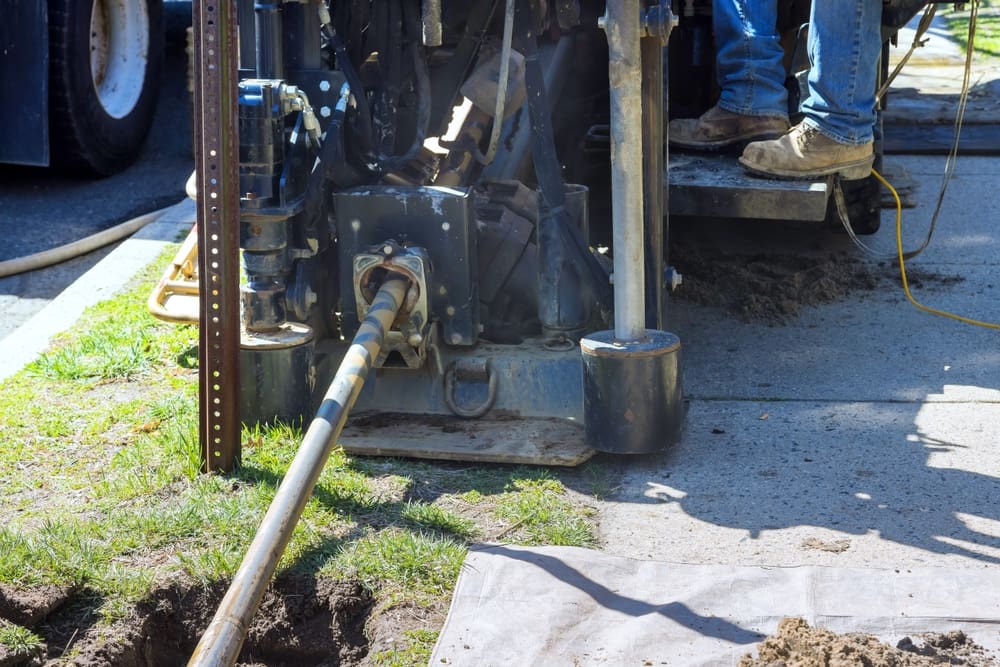
Dealing with sewer line problems can feel overwhelming. Many homeowners picture torn-up lawns, broken driveways, and days of heavy equipment digging through their yard. For years, that was the only way to access a damaged sewer pipe.
Today, there’s another option. Trenchless sewer repairs offer a modern way to fix underground pipes with little to no digging. Instead of excavating your entire yard, plumbers use specialized tools and technology to repair or replace pipes from small access points.
Here’s what you need to know.
What Is Trenchless Sewer Repair?
Trenchless sewer line repair is a method of fixing or replacing damaged sewer lines without digging a long trench across your property. It’s often called “no-dig sewer repair” because it requires only one or two small access points instead of full excavation.
This approach can be used for both sewer line repairs and replacements, depending on the condition of the pipe. In many cases, plumbers repair the existing pipe from the inside using durable lining materials. If the pipe is too damaged, they may replace it by breaking the old pipe apart underground and pulling a new one into place.
Trenchless Sewer Repair Pros and Cons
Like with any plumbing solution, trenchless sewer repairs have advantages and limitations. Here’s a quick look at the pros and cons to consider so you make the right choice for your home:
Pros
- Minimal Property Damage: Because it avoids digging large trenches, trenchless repairs protect your lawn, garden, and driveway.
- Faster Repair Time: Less digging often means repairs are finished quicker with fewer disruptions.
- Durable Materials: Modern lining materials are durable and resistant to corrosion and root intrusion.
- Long Lifespan: Many trenchless sewer pipe repair solutions are designed to last for decades under normal use.
Cons
- Not Suitable for All Collapses: If your sewer line is fully collapsed or severely offset, trenchless repairs may not be possible.
- Higher Upfront Investment: The specialized tools and materials needed for trenchless sewer repairs can increase the initial cost.
- Requires Specialized Equipment and Training: Not all plumbing companies offer trenchless sewer repair services, as it requires specific tools and expertise.
How Does Trenchless Sewer Line Repair Work?
Trenchless sewer pipe repairs rely on state-of-the-art inspection technology and specialized equipment designed to repair pipes from the inside out.
While every situation is different, most trenchless sewer pipe repair projects follow four main steps:
Step 1: Sewer Camera Inspection
Before any repair begins, a licensed plumber performs a sewer camera inspection. A small, waterproof camera is inserted into your sewer line to identify the exact problem and its location without unnecessary digging.
This inspection helps determine:
- Whether the pipe has cracks, corrosion, or root intrusion
- If there are blockages or buildup
- Whether the line is partially collapsed or fully collapsed
- If trenchless sewer repairs are a good fit
Step 2: Cleaning the Sewer Line
Once the issue is identified, the sewer line must be thoroughly cleaned. A clean pipe ensures the new lining or replacement pipe bonds properly and restores full flow capacity. In some cases, professional drain cleaning may be recommended before moving forward with the repair to clear stubborn blockages.
Cleaning may involve:
- Removing tree roots
- Clearing debris and buildup
- Flushing out grease or sediment
Step 3: Pipe Relining (CIPP Method)
If your existing sewer pipe is structurally sound but has cracks, small holes, or joint issues, your plumber may recommend relining the pipe. This method is often called CIPP, which stands for “Cured-In-Place Pipe.”
With this trenchless sewer repair technique, a flexible liner coated in special resin is inserted into the damaged pipe. The liner is inflated so it presses against the inner walls of the old pipe. Once it cures and hardens, it creates a new pipe within the old one.
Sewer pipe relining creates a seamless inner lining that:
- Seals cracks and small gaps
- Prevents future root intrusion
- Improves water flow
- Strengthens the existing pipe
Step 4: Pipe Bursting (If Replacement Is Needed)
If your sewer line is too damaged for relining, a trenchless sewer line replacement may be necessary. In cases like this, plumbers often use a method called pipe bursting.
Pipe bursting works by pulling a new pipe through the old one, breaking the existing pipe underground. A specialized bursting head fractures the damaged pipe outward into the surrounding soil as the new pipe is installed in its place.
This method is typically used if:
- The original pipe has severe corrosion
- There are major structural failures
Like relining, pipe bursting only requires small access points at each end of the line. It avoids digging up the entire yard while still replacing your sewer line from end to end.
Trenchless Sewer Repair vs. Traditional Sewer Repair
Traditional sewer repairs involve digging a trench along the length of the damaged pipe. This can mean removing sections of lawn, trees, driveways, patios, or sidewalks to access the line.
Trenchless sewer line repair services take a less invasive approach. Here’s how the two methods generally compare:
| Category | Traditional | Trenchless |
|---|---|---|
| Digging Required | Typically requires extensive excavation. | Uses minimal digging, usually limited to one or two small access points. |
| Yard and Property Damage | May disrupt landscaping, irrigation systems, and hardscaping. | Designed to preserve your yard as much as possible. |
| Timeline | Can take several days depending on excavation and restoration needs. | Often completed more quickly since there is less digging involved. |
| Cost Considerations | May have lower upfront labor costs, but can involve added expenses for restoring landscaping or concrete. | Costs can sometimes be higher at the start due to specialized equipment, but it may reduce restoration expenses. |
When Is Trenchless Sewer Repair the Right Choice?
A trenchless sewer pipe repair can be an excellent solution, but it isn’t right for every situation. The key is understanding the condition of your sewer line and your priorities as a homeowner.
Digless sewer repairs are often a good choice if you’re dealing with:
- Root intrusion that has cracked or shifted sections of pipe
- Minor to moderate cracks or corrosion
- Aging pipes that still maintain their general shape
- Yards with landscaping or hardscaping you want to protect
However, trenchless sewer repair may not be ideal if:
- Your sewer line is fully collapsed
- The pipe has severe structural misalignment
- Large sections of pipe are missing
The only way to know for sure is through a professional inspection. A sewer camera inspection provides clear insight into your pipe’s condition and helps determine if trenchless sewer pipe repairs are a safe and effective option for you.
Professional Sewer Repair Services in Salt Lake City
If you’re dealing with recurring backups, slow drains, or signs of sewer line damage, it’s important to have your system evaluated by an experienced team.
Our licensed and certified plumbers at Western Heating & Air provide professional sewer line repair services for homeowners throughout Salt Lake City and the surrounding areas. After a thorough inspection, our team can determine if trenchless sewer repairs are appropriate for your home.
If you have any questions or want to schedule a sewer and drain service, get in touch with us today to get started.
Frequently Asked Questions
How long does trenchless sewer repair take?
The timeline depends on the condition of your pipe, but many trenchless sewer repairs are completed faster than traditional excavation. Since there is less digging involved, there is also less disruption to your property.
Can trenchless repairs fix a collapsed sewer line?
In some cases, minor collapses can be addressed with trenchless sewer line replacement methods like pipe bursting. However, if the pipe is severely collapsed or misaligned, traditional excavation may be required.
How long do trenchless sewer line replacements last?
Modern trenchless sewer line replacement materials are designed to be durable and long-lasting. When installed properly, relined or replaced pipes can perform reliably for decades under normal household use.
How much does trenchless sewer repair cost?
Trenchless sewer repair costs vary depending on the length of your pipe and the extent of the damage. Because every home is different, the best way to get accurate pricing is through a professional inspection and estimate.