

Homeowners Furnace Replacement Guide 2026
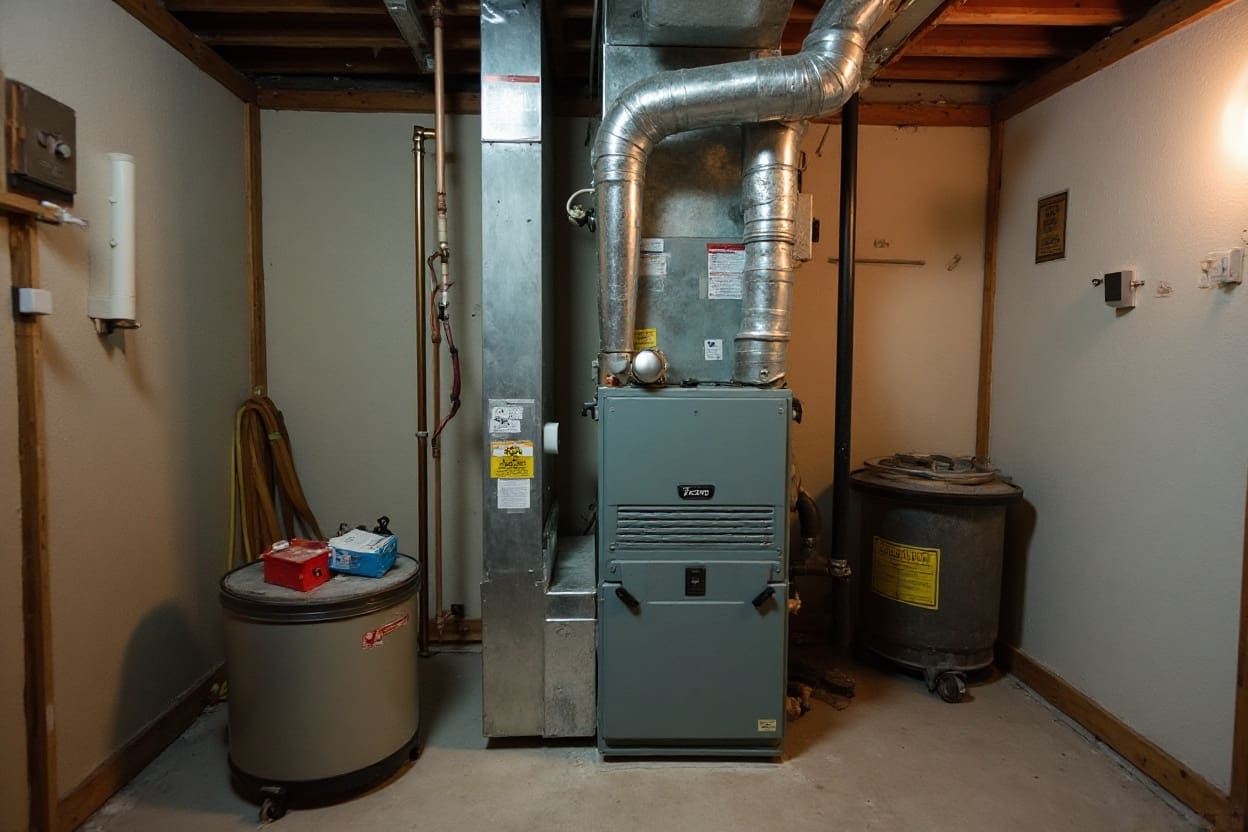
Replace your furnace when it is over 15 years old, needs frequent repairs, heats unevenly, or causes rising energy bills. You can choose from gas, electric, or oil furnaces, depending on your household heating needs. Furnace replacement cost varies according to the system size, efficiency, fuel type, and installation quality.
In this furnace replacement guide, learn about different heater options, estimate total replacement cost, avoid common buying mistakes, and choose the right system for your home.
For professional furnace replacement in Sandy, UT, contact Western Heating, Air & Plumbing at 385-233-9556 to schedule an in-home evaluation.
Signs You Need a New Furnace
The following signs indicate your furnace may be nearing the end of its lifespan and should be evaluated by a professional before a full breakdown occurs.
- Your furnace is over 15 years old and no longer runs as efficiently or reliably as newer systems.
- You need frequent repairs, which often signal that major components are nearing failure.
- Heating is uneven throughout your house, leaving some rooms cold while others feel warm.
- Energy costs continue to rise even though your heating habits have not changed.
- The heating unit makes loud or unusual noises, such as banging, rattling, or squealing.
- You notice burning or unusual odors coming from the HVAC unit or vents.
- The pilot light burns yellow instead of blue, which can indicate combustion issues.
- Your home struggles to maintain the set temperature, even when the heater runs constantly.
- Safety concerns arise, such as a cracked heat exchanger or carbon monoxide risk.
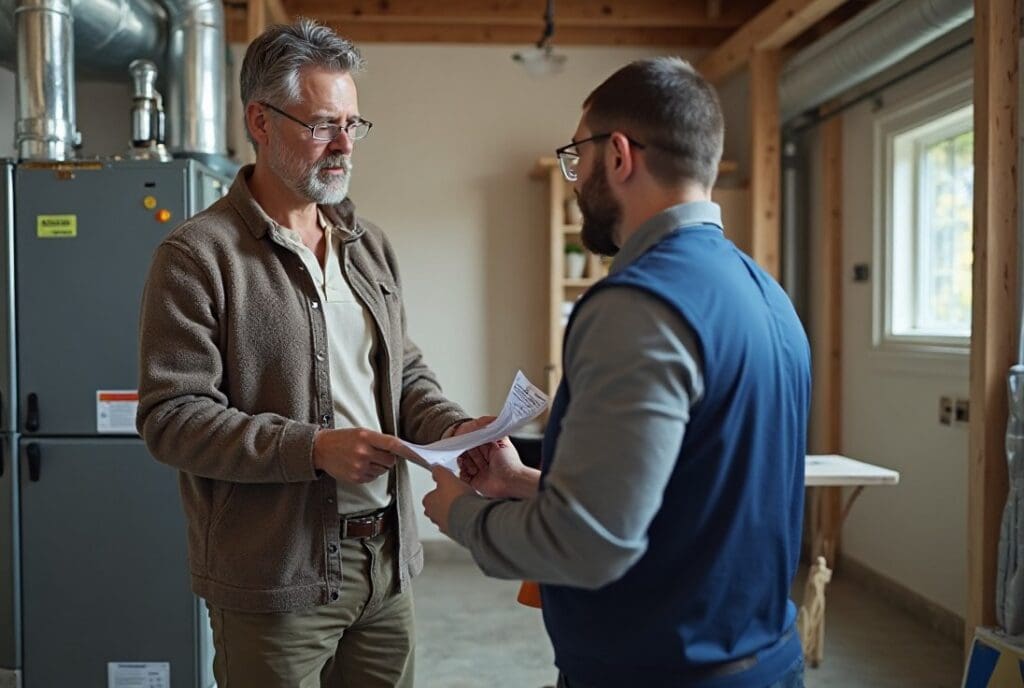
Types of Furnaces to Choose From
Common furnace replacement options include gas furnaces for efficient, reliable heating in cold climates, electric furnaces for lower upfront cost, and oil furnaces for high heat output in older or larger homes without natural gas service.
Gas Furnaces
Gas furnaces are the most common choice for Sandy, Utah, residential homes with access to a natural gas line. They heat quickly, provide strong, consistent heat, and have lower operating costs compared to other heating options. When properly installed, a gas furnace integrates properly with existing heating and cooling systems.
- Lower operating cost than an electric heating system
- Strong, fast heating performance
- Wide range of efficiency options
- Reliable for cold winter climates
Electric Furnaces
Electric furnaces use heating elements instead of combustion, which makes them a simpler option for homes without gas access. They typically have a lower initial installation cost and fewer mechanical parts, which can reduce short-term maintenance needs. However, electric furnaces often cost more to operate due to electricity rates.
- Lower upfront installation cost
- No combustion or gas lines required
- Compact design fits smaller spaces
Oil Furnaces
Oil furnaces burn heating oil to produce heat and are typically found in older homes or areas without natural gas service. They can generate high heat output but require fuel storage and regular maintenance.
- High heat output for colder conditions
- Effective for older or larger houses
- Works without natural gas access
- Durable, long-lasting equipment
Factors to Consider When Choosing a New Furnace
Choosing the right furnace depends on proper sizing, efficiency ratings, installation quality, fuel availability, and total replacement cost, not just the equipment itself. Reviewing thermostat compatibility and warranty coverage also helps avoid comfort issues and unexpected expenses after installation.
Furnace Size and Home Heating Load
The correct furnace size is critical because an oversized unit can cycle too often, while an undersized unit may struggle to heat the home. Proper sizing is based on square footage, insulation levels, ceiling height, window quality, and local climate conditions. A professional load calculation gives more accurate results than using square footage alone.
Energy Efficiency Ratings
Furnace efficiency is measured by AFUE, which shows how much fuel is converted into usable heat. Higher AFUE ratings can reduce heating bills but usually increase upfront cost. Homeowners should compare efficiency levels against expected energy savings to decide what makes sense for their budget and usage.
Installation Quality
Choosing an experienced HVAC installer is just as important as choosing the furnace itself. Ultimately, the heating unit’s performance, safety, and lifespan depend on the installation. Poor airflow, improper venting, or incorrect setup can reduce efficiency and cause ongoing issues.
Furnace Replacement Costs
Total furnace replacement cost includes equipment, labor, permits, and any required upgrades. Higher efficiency systems, complex installations, or ductwork modifications can increase the final price. Comparing written estimates helps clarify what is included.
Fuel Availability and Operating Cost
Fuel type affects both installation and long-term heating costs. Natural gas is often the most economical option where available, while electric and oil systems depend more heavily on local utility pricing and fuel access.
Thermostat Compatibility
Some furnaces require specific thermostats to operate correctly, especially higher-efficiency models. Homeowners should confirm whether their current thermostat will work or if an upgrade is needed.
Warranty Coverage
Warranty terms vary by manufacturer and often depend on proper registration and installation. Reviewing parts and labor coverage helps avoid unexpected repair expenses later.
Residential Furnace Replacement Process
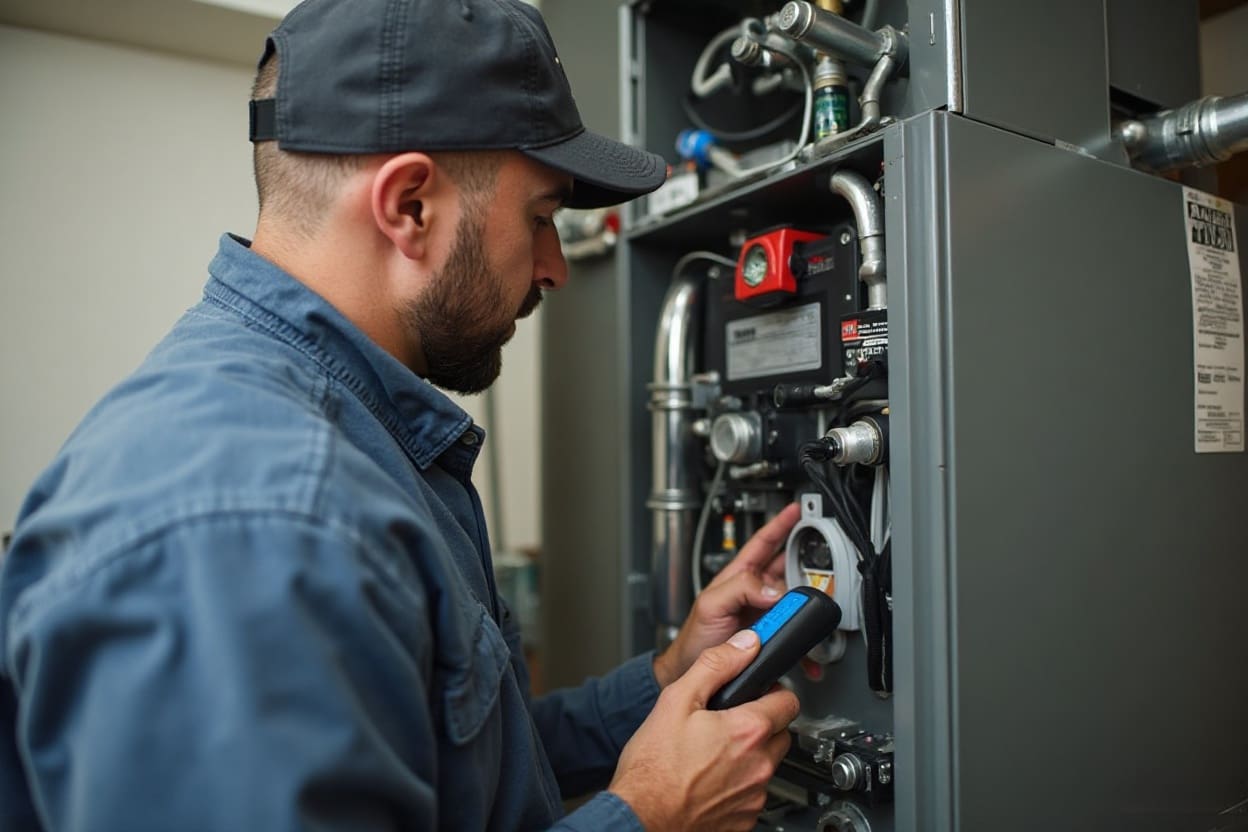
Our process begins with a professional evaluation and sizing, followed by selecting the right system, safe removal of the old unit, proper installation, and thorough testing. After installation is complete, the technician provides a walkthrough to confirm safe operation, proper setup, and warranty registration.
1.In-Home Evaluation and Load Calculation
The furnace replacement process starts with an in-home evaluation to assess the existing system, ducts, fuel source, and overall heating requirements. A professional HVAC technician performs a load calculation to determine the correct furnace size based on the home’s layout, insulation, and local climate.
2. Furnace Selection and Estimate
After sizing is confirmed, the contractor reviews suitable furnace options based on efficiency, fuel type, and budget. Homeowners receive a written estimate that outlines equipment, labor, permits, and any recommended upgrades.
3. Removing the Old Furnace
On installation day, the existing furnace is safely disconnected, removed, and disposed of in accordance with local regulations. Gas lines, electrical connections, and venting are handled carefully to maintain safety.
4. Installing the New Furnace
The new furnace is set in place and connected to the ductwork, fuel, electrical supply, and venting systems. Proper airflow, clearances, and manufacturer specifications are followed to support long-term performance.
5. System Testing and Safety Checks
Once installed, the system is tested to confirm proper operation, airflow, and thermostat communication. Safety checks verify correct combustion, venting, and carbon monoxide protection.
6. Final Walkthrough and Setup
Before completion, the installer reviews system operation, maintenance needs, and thermostat settings with the homeowner. Warranty registration and documentation are also completed at this stage.
Call 385-233-9556 to schedule a residential furnace replacement in Sandy, UT. Our licensed HVAC technicians (12525455-5501) provide complete guidance from evaluation through installation.
Common Furnace Buying Mistakes to Avoid
Avoiding these common furnace buying mistakes can help homeowners prevent unnecessary costs, comfort issues, and early system failure.
- Choosing the cheapest furnace without comparing options often leads to higher operating and repair costs later.
- Replacing a furnace without a professional load calculation can result in poor comfort and efficiency.
- Oversizing the unit causes short cycling, increased wear, and uneven heating.
- Ignoring ductwork condition, even though airflow problems can reduce the heating unit’s performance.
- Focusing only on upfront cost instead of long-term energy use, which can raise monthly heating bills.
- Skipping efficiency comparisons, especially when rebates or incentives are available for higher AFUE systems.
- Hiring an unlicensed or inexperienced installer can affect safety, performance, and warranty coverage.
- Overlooking thermostat compatibility can lead to reduced comfort or added upgrade costs.
- Not reviewing warranty terms carefully, including registration requirements and labor coverage.
- Waiting until the furnace fails completely, which limits options and increases replacement costs during peak demand.
Tips to Lower Furnace Replacement Cost
Before buying a furnace, we suggest homeowners plan ahead, compare options, and understand where costs come from to avoid unnecessary expenses and make smarter buying decisions.
- Start comparing options as soon as you notice the first signs of furnace problems. This gives you time to compare heaters and avoid emergency pricing.
- Choose the right furnace size, since oversized systems cost more upfront and waste energy over time.
- Select an efficiency level that fits your budget, rather than paying extra for efficiency you may not recover in savings.
- Schedule replacement during the off-season, when contractors are often more available and offer better pricing.
- Compare written estimates from multiple contractors. This will make it easy to spot pricing differences and unnecessary add-ons.
- Ask about rebates, tax credits, and financing options, which can significantly reduce out-of-pocket cost.
- Address duct issues during installation to prevent airflow problems that lead to higher energy bills later.
- Keep existing compatible components, such as thermostats or venting, when possible, to avoid extra fees.
- Schedule regular furnace maintenance to help prevent early repairs and extend system life.
Tax Credits and Rebates for Furnace Replacement
Your furnace may qualify for federal tax credits and local utility rebates, which can help reduce overall replacement cost. Availability, eligibility requirements, and credit amounts change regularly, so homeowners should confirm current rebate programs before purchasing or consult with their HVAC contractor for up-to-date guidance.
Final Buying Checklist for Homeowners
Follow the checklist below before scheduling service:
- Confirm the furnace is properly sized using a professional load calculation.
- Choose the correct fuel type based on availability and long-term operating cost.
- Compare efficiency ratings and balance upfront cost with energy savings.
- Review the full cost, including labor, permits, and upgrades.
- Verify the condition of ducts and airflow before installation.
- Confirm thermostat compatibility or plan for an upgrade if needed.
- Ask about available rebates, tax credits, and financing options.
- Review manufacturer warranty terms and registration requirements.
- Choose a licensed and experienced HVAC installer.
- Schedule installation during a non-emergency period whenever possible.
Schedule Your Furnace Replacement in Sandy, UT
Replacing your furnace at the right time and choosing the correct system can improve comfort, lower heating costs, and reduce the risk of unexpected breakdowns. Use this guide to compare furnace options, understand costs, and avoid common mistakes before making a final decision.
If your furnace needs to be replaced, contact Western Heating, Air & Plumbing. Our licensed technicians (#12525455-5501) will evaluate your heating needs, suggest the best option, and install the heater correctly and safely.
Call 385-233-9556.
How do you know when your furnace needs to be replaced?
Signs your furnace needs to be replaced include frequent repairs, uneven heating, rising energy bills, unusual noises, and a furnace that is over 15 years old.
How long does it take to replace a furnace?
Furnace replacement time varies from 4 to 10 hours, depending on the complexity of the installation and any required ductwork modifications.
What should you know when replacing a furnace?
You should consider sizing, efficiency ratings, installation quality, fuel availability, warranty coverage, and total cost before scheduling furnace installation.
How often should I schedule HVAC maintenance in Sandy, UT?
Homeowners in Sandy, UT, should schedule HVAC maintenance twice a year, with one visit in the spring for cooling equipment and one in the fall for the furnace.
Can furnace repair lower my heating bills?
Minor furnace repairs and maintenance can improve efficiency in the short term, but long-term bill reductions usually require a heater upgrade.