

Commercial HVAC Systems: Types, Efficiency & How They Work
When it comes to commercial buildings, HVAC systems do much more than just control temperature. They ensure comfort, air quality, and efficiency across large spaces. But not all HVAC systems are created equal.
Whether you’re cooling a bustling office, a warehouse, or a multi-tenant building, choosing the right system is key to saving money and avoiding costly repairs. At Western Heating & Air, we’re here to help provide expert commercial HVAC services tailored to your building’s needs.
Let’s explore the different types of commercial HVAC systems and how we can help you pick the best one for your space.
Why Commercial HVAC Systems Are Different From Residential
Commercial HVAC systems are built to handle the needs of larger buildings, unlike residential systems that are designed for homes. These systems must manage higher energy demands, provide ventilation for bigger spaces, and handle the heating and cooling for multiple tenants.
Here are the main differences between commercial and residential HVAC systems:
- Larger Square Footage: Commercial buildings need HVAC systems that can handle much bigger spaces, from offices to warehouses.
- Zoning Requirements: In multi-story or multi-tenant buildings, different zones often require separate controls to maintain the desired temperatures in each area.
- Ventilation Codes: Commercial buildings must meet specific ventilation codes to ensure air quality and safety, which differ from residential codes.
- Energy Demands: Larger commercial buildings consume more energy, so commercial HVAC systems need to be more energy-efficient and scalable.
- Multi-Tenant Buildings: In multi-tenant buildings, commercial HVAC systems are designed to handle the differing heating and cooling demands from each tenant.
By understanding these key differences, building owners and managers can better choose the right system for their needs, ensuring efficiency, comfort, and compliance with building codes.
What Are Commercial HVAC Systems?
Commercial HVAC systems are designed to heat, cool, and ventilate large buildings like offices, malls, and warehouses. These systems are built for performance and scalability. They feature larger capacity units, advanced controls for regulating different zones, and are generally much more energy-efficient than residential systems due to their size and operational demands.
In short, commercial HVAC systems are essential for keeping businesses comfortable by controlling the temperature and air quality. They also play a key role in meeting building safety standards, such as maintaining air quality and meeting ventilation codes.
Types of HVAC Systems for Commercial Buildings
There are several types of HVAC systems for commercial buildings, and choosing the right one depends on the building’s size, energy needs, and occupancy.
Here’s a look at some of the most common types:
Rooftop Units (RTUs)
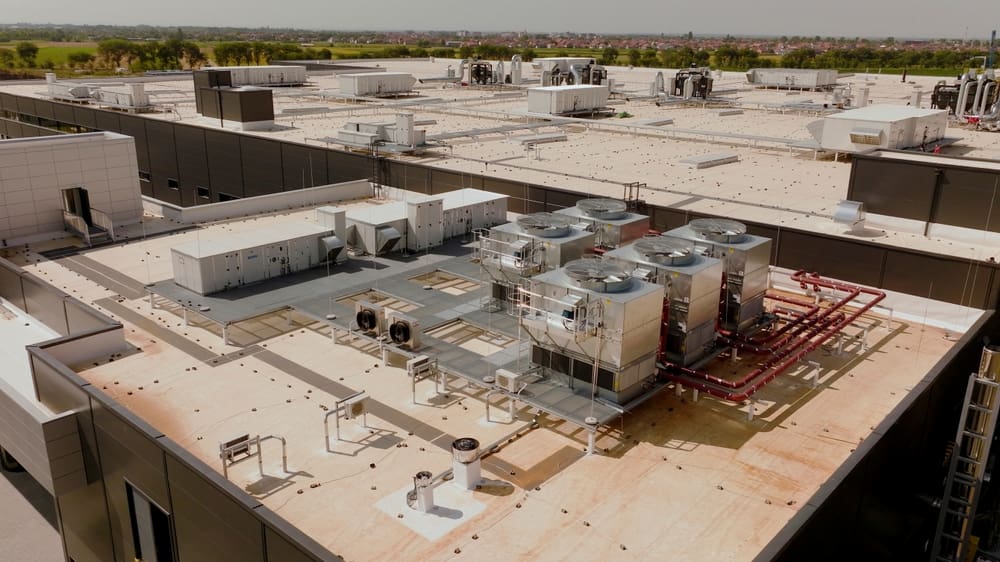
Rooftop units are commonly used in retail and office buildings. These systems offer moderate efficiency and are ideal for mid-sized buildings. They are typically installed on the roof, saving space inside. However, RTUs have zoning limitations, making it harder to control temperature in separate areas of the building.
Variable Refrigerant Flow (VRF) Systems
VRF systems are known for their high energy efficiency and ability to heat and cool different areas at the same time. They allow advanced zoning, meaning each room or zone can be controlled separately. These systems are particularly useful in multi-tenant buildings where temperature needs can vary greatly from one area to another.
Packaged Systems
Packaged systems combine both heating and cooling in a single unit. They are often installed on roofs or the ground and are a space-saving solution for small to mid-sized commercial spaces. However, they are generally less efficient for larger buildings due to limited zoning capabilities.
Split Systems
Split systems offer energy-efficient heating and cooling by separating the components into two units: an outdoor unit and an indoor unit. They provide flexibility in zoning, allowing different areas of the building to be controlled independently. These systems are also quieter, making them ideal for smaller offices or quieter spaces.
How to Choose the Right Commercial HVAC System
Choosing the right HVAC system is important to meet the heating, cooling, and ventilation needs of a commercial building. Each system type has its benefits depending on the building size, energy efficiency goals, and zoning requirements.
Here’s what you should consider:
- Building Size: Larger buildings require more powerful systems with higher capacity to handle the heating and cooling needs.
- Occupancy Levels: The number of people in the building affects the amount of air circulation needed, which can impact system selection.
- Budget: Initial costs and long-term energy efficiency should both be considered. Sometimes a more expensive system can save money in the long run due to lower operating costs.
- Energy Efficiency Goals: Choose systems that minimize energy use while maintaining comfort. Look for systems with high SEER (Seasonal Energy Efficiency Ratio) ratings.
- Long-term Operation Costs: Consider the maintenance needs and lifespan of the system, as some systems may require more frequent repairs or replacements than others.
Professional Commercial HVAC Installation & Service in Salt Lake City, UT
Installing a commercial HVAC system requires a professional team that can correctly size the system, ensure it meets local codes, and provide expert installation. At Western Heating & Air, we specialize in commercial HVAC installation and tailored HVAC solutions designed for your business. Our team performs accurate load calculations to ensure your system operates efficiently and doesn’t waste energy.
Once your system is in place, ongoing maintenance is key to its long-term success. We offer preventative maintenance programs that can extend the life of your system, reduce unexpected breakdowns, and keep your building comfortable year-round.
At Western Heating & Air, we’re here to provide reliable HVAC services you can trust. Ready to get started? Contact us today for expert installation, maintenance, and more!
Frequently Asked Questions About Commercial HVAC Systems
How long do commercial HVAC systems last?
Commercial HVAC systems typically last between 15 to 20 years with proper maintenance. Regular service can extend the lifespan of your system, ensuring it remains efficient for as long as possible.
What size HVAC system does a commercial building need?
The size of the HVAC system for a commercial building depends on factors like square footage, building layout, and occupancy levels. A professional commercial HVAC service can help determine the right size for your specific needs.
What is the most efficient commercial HVAC system?
Energy-efficient HVAC systems for commercial buildings are designed to reduce energy use while maintaining comfort. Variable Refrigerant Flow (VRF) systems and sustainable HVAC systems in commercial buildings offer some of the highest energy efficiency available.
What does a commercial HVAC system cost?
The cost of a commercial HVAC system varies based on the type of system, the size of the building, and the complexity of installation. Commercial HVAC companies typically provide quotes based on these factors, helping businesses stay within budget while selecting the best system for their needs.