
Home Heating Systems Guide for Sandy UT

The best heating systems for Sandy are gas furnaces, electric furnaces, air source heat pumps, mini split heat pumps, and boilers. The right choice depends on your home’s size, insulation, and access to natural gas or electricity.
Sandy winters bring freezing nights, dry air, and fluctuations in daily temperature. Homeowners often deal with cold spots, uneven heating, or rising energy bills when the wrong system is in place. Old heaters or outdated ductwork can make it harder to stay warm without overpaying.
In this home heating guide, you will learn the best heaters for Sandy homes, their energy efficiency, and what to ask before upgrading.
Need help now? Call Western Heating, Air & Plumbing at 385-233-9556 to schedule an in-home assessment of your Sandy home.
The Best Heating Systems for Your Sandy Home
The best heating systems for your Sandy home include gas furnaces, electric furnaces, ducted heat pumps, mini split heat pumps, and boiler-based radiant systems. Choose the one according to your climate needs, duct setup, and energy savings goal.
Gas Furnaces: Traditional and Powerful
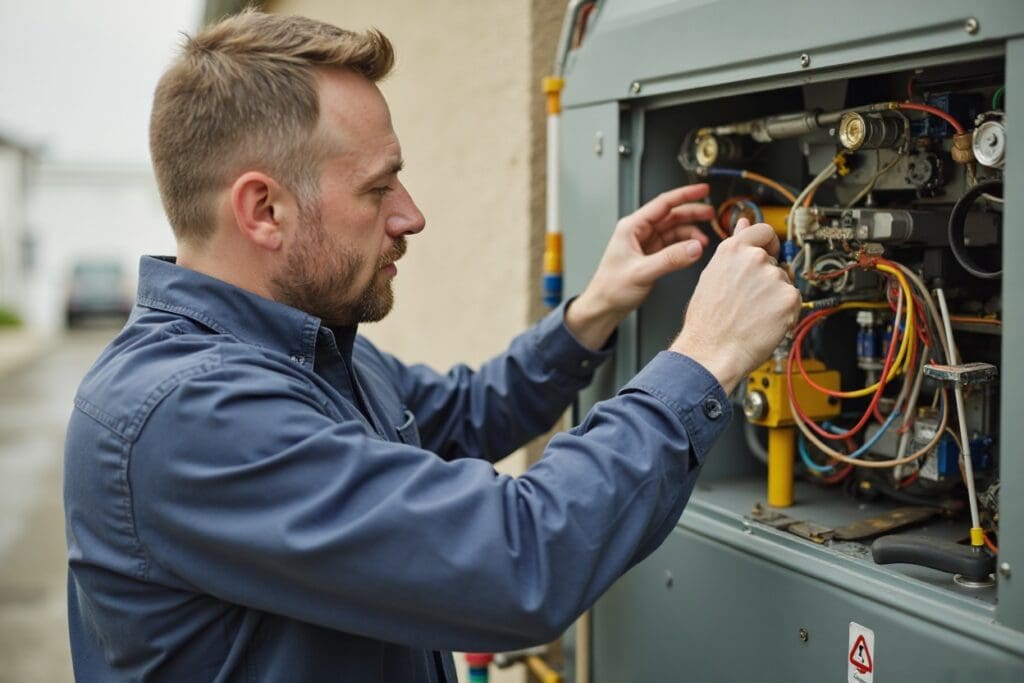
Gas furnaces are a top pick in Sandy because they can deliver strong, fast heat during long, cold spells. If your house already has natural gas service and ductwork, this heating system is usually a practical upgrade.
Modern gas furnaces can reach high heating efficiency, so you get steady warmth without wasting energy. They also pair well with central thermostats and whole‑home HVAC setups.
Benefits of a gas furnace for a Sandy home:
- Heat output: Strong, even heat for larger houses and multi‑story layouts.
- Energy efficiency: High AFUE models help cut heating bills.
- Maintenance: Annual furnace maintenance keeps burners clean, airflow balanced, and parts safe.
- Comfort: Works well with properly sealed ducts and good insulation.
Electric Furnaces: Clean and Straightforward
Electric furnaces heat air using electric coils, then push that warm air through your duct system. They are simple to install and can be a solid option in homes without natural gas lines. Electric units run quietly and avoid combustion concerns, which some homeowners like.
The tradeoff is operating cost. Electricity in Utah can cost more per unit of heat than gas, so heating bills can rise in mid‑winter if insulation is weak or the house is large.
Choose an electric furnace for:
- Simple installation: Often lower upfront cost than gas.
- Heating efficiency: Nearly all electrical energy becomes heat, but utility rates matter.
- House size: Best for smaller or well‑insulated homes.
- Maintenance: Fewer moving parts, but filters and airflow still need care.
Ducted Air Source Heat Pumps: Year‑Round Comfort
Ducted air source heat pumps move heat instead of creating it, which makes them efficient in Sandy’s winter. They run through your existing ducts, so they feel similar to a furnace but with lower energy use in many cases.
These systems also provide air conditioning in summer, so one HVAC system handles both jobs.
Benefits of ducted air source heat pumps:
- Energy efficiency: Can reduce heating bills compared to older furnaces.
- Comfort: Steady heat with fewer hot‑cold swings.
- Climate fit: Cold‑rated models handle freezing nights better.
- Maintenance: Regular tune‑ups, coil cleaning, and filter changes keep airflow and output strong.
Mini Split Heat Pumps: Zoned Heating for Maximum Efficiency
Mini split heat pumps offer heat directly to specific rooms without ducts. Each indoor unit has its own thermostat control, so you can keep bedrooms warm at night and turn down unused areas during the day.
That zoning can raise home heating efficiency and lower heating bills, especially in homes with additions, finished basements, or rooms that stay chilly. Minisplits also act as air conditioners in summer.
We suggest homeowners choose mini split heat pumps for:
- Zoned comfort: Heat only where you need it.
- Energy efficiency: Great for reducing wasted energy.
- Easy installation: Ideal for houses without ducts or for single‑room upgrades.
- Maintenance: Clean filters often and schedule annual service for coils and refrigerant checks.
Boilers and Radiant Heating: Consistent, Quiet Heat
Boilers heat water and send it through radiators, baseboard heaters, or radiant floor heating. This style of home heating feels different than forced air. It gives quiet, even warmth with fewer drafts and less dry air.
Many Sandy homes with boilers enjoy strong comfort during long winter nights because the heat radiates steadily into the room. Boilers can run on natural gas or electricity, and modern models can be very efficient. They do require routine maintenance to keep pumps, valves, and pressure systems working safely.
How to Choose the Right Home Heating System
The local climate, insulation, house size, fuel type, and maintenance needs all shape the best choice of home heating system in Sandy, Utah.
Climate and Insulation Level
Your local climate and insulation level directly impact system performance and energy use.
In Sandy, winter temperatures can drop below freezing, especially at night. Systems must work well in cold air and recover quickly after temperature swings. That makes heat output and cold-weather efficiency essential for your decision.
If your home is older or has poor insulation, you’ll lose heat faster. In that case, a high-output system like a gas furnace or radiant boiler may be more effective than a heat pump. But if your insulation is solid and air leaks are sealed, energy-efficient heat pumps or mini splits could perform well while cutting long-term energy use.
Energy Efficiency and Heating Bills
Choose a system with the right energy efficiency rating for your usage and climate.
Energy efficiency ratings help compare operating costs across systems. Higher efficiency often means higher upfront cost, but lower utility bills over time. Here’s how to compare:
- AFUE (for furnaces and boilers): Choose 90%+ for best fuel use.
- HSPF (for heat pumps): Go for HSPF 8 or higher in colder climates.
- SEER (cooling efficiency for heat pumps): Higher SEER helps with summer bills if you use it year-round.
Also consider how long you plan to stay in your home. If you’ll be there for 10+ years, investing in a high-efficiency system makes more sense financially.
Size of the House and Layout
The size and shape of your home should guide whether you choose a central or zoned system.
Larger homes with open layouts typically work well with ducted systems like gas furnaces or air source heat pumps. These systems heat the whole house evenly when ductwork is adequately sealed and insulated.
In smaller homes or those with closed-off rooms, mini split heat pumps offer better control. They support zoned heating, which lets you set different temperatures for different spaces. That reduces energy waste and improves comfort where you need it most.
Multi-story homes may benefit from a dual-zoned ducted system or a combination of ducted and ductless units, especially if upstairs bedrooms are colder.
Fuel Type and Energy Costs
Choose gas if it’s installed. Choose electric systems with high efficiency if not.
If your home already has natural gas service, a gas furnace or boiler is often the most cost-effective choice. Gas provides strong, fast heat and typically costs less per BTU than electricity in Utah.
Homes without gas access must rely on electric systems. In that case, you’ll want to weigh utility rates and look at energy-efficient models like heat pumps to offset long-term bills.
Some homes may benefit from dual-fuel systems (heat pump plus gas backup). These switch between electricity and gas depending on outdoor temperature and energy pricing.
Maintenance and Longevity
All types of heating systems require regular maintenance, but the time and money you’re willing to spend on maintenance can help narrow your options.
Gas and electric furnaces are the most common systems in Sandy homes, but they both need consistent upkeep to run safely and efficiently. For gas furnaces, this means yearly inspections to check burners, heat exchangers, and safety controls. Dirty burners or cracked heat exchangers can reduce efficiency or even become hazardous. You’ll also need to replace air filters every 1 to 3 months to maintain good airflow and indoor air quality.
Electric furnaces have fewer moving parts but still require filter changes and airflow checks. Neglecting maintenance can lead to overheating, short cycling, or early system failure.
Heat pumps and mini splits also benefit from regular maintenance, including cleaning coils, inspecting drain lines, and checking refrigerant levels. However, the maintenance burden is generally lighter than for combustion-based systems.
Related Read: How a Furnace Works: A Homeowner’s Guide to Electric, Gas, and Oil Furnaces
Ready to Upgrade or Replace Your Home Heating System?
The right heating system should match your home’s layout, insulation, and heating needs. If your current system struggles to keep up or costs too much to run, it may be time for a replacement.
Call Western Heating, Air & Plumbing at 385-233-9556 to schedule an in-home visit and get expert help in choosing heating options for your Sandy home.
FAQsfurnace
What’s the best thermostat setting for home heating systems in Sandy UT?
Set your thermostat to around 68 °F (20 °C) during the day when people are home and awake. Lower it 5–10 degrees at night or when the house is empty to save on energy usage.
Why are my heating bills so high, even with a newer furnace?
A newer furnace won’t save money if the ducts leak, the filter is dirty, or your thermostat runs it too long. Poor insulation or air leaks can also make the system work harder than necessary.
Should I use a space heater as a backup for central heating?
A space heater can help in a cold room, but it’s not efficient for long-term use. It’s better to fix the root cause, like insulation or airflow issues.
Is it more expensive to heat a home with electricity or natural gas in Utah?
Natural gas is usually cheaper than electricity per unit of heat in Utah. Electric heat can cost more unless the home is small and well-insulated.
How safe is natural gas for residential heating systems?
Modern gas systems are safe when installed and maintained correctly. Annual inspections help prevent leaks or carbon monoxide issues.
Is radiant floor heating worth installing in an existing home?
Radiant floor heating adds comfort but can be expensive to retrofit. It’s best added during major remodels or new flooring projects.
Do baseboard heaters use a lot of energy compared to other options?
Electric baseboard heaters use more energy than heat pumps or high-efficiency furnaces. They also offer limited temperature control.
How can I improve my home heating efficiency?
Seal air leaks, upgrade insulation, and keep filters clean. A smart thermostat and regular maintenance also help reduce heat loss.
Can I upgrade just the heating part of my HVAC system?
Yes, but it depends on your current system’s setup. In some cases, upgrading just the furnace or air handler works fine.
Do heat pumps work as both an air conditioner and a heater?
Heat pumps can heat in winter and cool in summer. They reverse the flow of refrigerant depending on the season.